Split Rainbow Crayons SVG Back to School
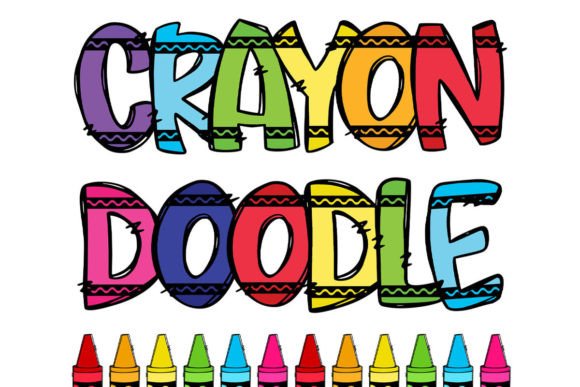
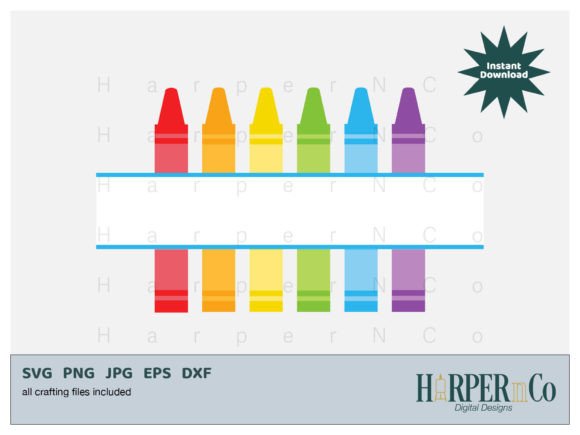
If you're crafting teacher appreciation gifts, prepping classroom décor, or launching a small sublimation business this season, Split Rainbow Crayons SVG Back to School is more than just clipart—it’s a versatile creative catalyst. These layered, high-resolution digital files let you build real-world items: from heat-transfer vinyl mugs for first-day-of-school staff meetings to personalized tote bags for students, and even layered paper crafts that double as bulletin board accents or interactive learning tools.
What It Really Is (and Why That Matters)
At its core, Split Rainbow Crayons SVG Back to School is a curated bundle of editable digital assets—not a single image, but a toolkit. You’ll get SVG files optimized for Cricut Design Space, Silhouette Studio, and Glowforge; PNGs with true 300 dpi resolution and transparent backgrounds (ideal for printing on cardstock or overlaying on photos); EPS vector files for full scalability in Illustrator or Inkscape; and DXF versions compatible with laser cutters and CNC machines. No watermarks. No resizing compromises. Just clean, production-ready layers—each crayon segment individually selectable, color-adjustable, and repositionable.
Where It Fits Into Real Life—Not Just Design Software
Think beyond the screen. A middle school art teacher in Austin used these files to cut peel-and-stick permanent vinyl onto clear acrylic desk nameplates—students picked their favorite “split” crayon color combo, and she assembled them in under 90 seconds per name. A boutique sublimation shop in Portland printed the same design onto ceramic coasters, then added short phrases like “Color Outside the Lines” and “You’re My Favorite Shade” in a playful script font—sales spiked 40% in August.
Here’s where it shows up most often:
- Classroom & Teacher Gifts: Layered paper crafts become 3D crayon-shaped bookmarks or mini accordion-fold cards. Teachers add handwritten notes inside—“Thanks for helping me grow my rainbow”—then hand them out during meet-the-teacher night.
- Small-Batch Apparel & Home Goods: Sublimation-printed on cotton-blend tees, pillowcases, or aprons, the split rainbow effect pops without bleeding. The transparency in PNGs means no white halos around edges—even on dark fabrics.
- Educational Tools: Cut from chipboard or thin balsa wood using the DXF files, each segmented crayon becomes a tactile sorting activity—kids match colors, count segments, or sequence by hue intensity. One Montessori preschool laminated the pieces and used them with velcro for fine-motor practice.
- Digital Classrooms & Remote Learning: Teachers drop the PNG into Canva or Google Slides as draggable elements in interactive lessons—dragging a “blue segment” onto a matching shape, or building a custom rainbow chart while discussing emotions or weather patterns.
Who Benefits—and How Their Needs Differ
A homeschool parent might prioritize the SVG’s simplicity: drag one file into Cricut Design Space, resize to fit a lunchbox decal, and cut in under two minutes. They don’t need EPS editing—they need speed, clarity, and something that sticks reliably to stainless steel.
A graphic designer launching an Etsy shop needs the opposite: full vector control. With the EPS files, they recolor segments to match seasonal palettes (think sage + terracotta for fall), adjust stroke weights for embroidery digitizing, or isolate a single crayon tip to use as a bullet point in printable planners.
A PTA volunteer organizing a back-to-school fair? They lean on the PNGs—no software required. Upload straight to VistaPrint or Snapfish for custom notepads, stickers, and laminated signage. The 300 dpi ensures crisp text when paired with short phrases like “Crayon Ready” or “Let’s Make This Year Bright.”
Practical Things to Keep in Mind Before You Start
Not all “rainbow” files behave the same way. With Split Rainbow Crayons SVG Back to School, the segmentation is intentional—not decorative. Each color band is its own vector path, so if you’re cutting HTV, you can weed one section at a time without disturbing adjacent hues. But that also means: if you scale *too* small (under 1.5 inches wide), some machines may struggle to register fine inner cuts—especially older Silhouette Cameo models. Test at 2 inches first.
Sublimation users should know: the brightness of the rainbow relies on your base material. White or light-colored polyester blends yield vibrant results. On off-white canvas or natural cotton, the palest yellows and pinks may mute slightly—so preview your mockup using soft-proofing in Photoshop or the sublimation printer’s built-in color profile.
For layered paper crafters: the SVG includes registration marks and alignment guides. Use them. Skipping those leads to misaligned segments when assembling multi-layer pop-ups—especially with thicker cardstock (80 lb+). And if you’re gluing by hand, a quick swipe of glue stick on the *back* of each layer—not the front—prevents smudging on visible surfaces.
Strengths That Stand Out in Busy Seasons
First, flexibility without fragmentation. You’re not juggling ten separate downloads—you get one organized folder with clearly labeled files (e.g., “crayon-split-01-SVG”, “crayon-split-03-PNG-transparent”). No hunting for the right format mid-project.
Second, real-world readiness. These aren’t stock vectors designed for generic illustration—they’re engineered for physical output. Stroke widths are optimized for vinyl weeding. Corners are rounded just enough to prevent cracking in heat transfer. Even the spacing between segments accounts for typical blade kerf on mid-tier cutting machines.
Third, emotional resonance. Teachers respond strongly to thoughtful, colorful symbolism—not cliché apples or tired chalkboards. A split rainbow crayon quietly says, “I see your range. Your complexity. Your joy and challenge, all at once.” That nuance translates across mediums: embroidered on a denim jacket, etched into glass, or die-cut into confetti for a welcome-back celebration.
One Last Note on Personalization
The phrase “Use your own font to personalize” isn’t just marketing speak—it’s practical advice. Try pairing the crayon SVG with a bold sans-serif (like Montserrat Bold) for classroom posters, or a friendly handwritten font (such as “The Girl Next Door”) for student gift tags. Because the SVG layers stay independent, your text sits cleanly on top—no clipping masks needed, no pixelation when scaling. And since every file arrives watermark-free, what you design is truly yours to brand, sell, share, or celebrate.