Why Pencil Clipart and Back to School Clipart Are Essential Creative Assets for Modern Professionals
In today’s fast-paced digital landscape, visual consistency, brand agility, and rapid content iteration aren’t just advantages—they’re operational necessities. Whether you're a freelance graphic designer crafting custom stationery for a boutique education startup, a marketing manager preparing back-to-school campaign assets for a learning app, or an entrepreneur launching printable planners on Etsy, Pencil Clipart and Back to School Clipart have quietly become indispensable tools—not as nostalgic decorations, but as functional, scalable design components rooted in real-world workflow demands.
The Evolution of Clipart: From Generic Decoration to Strategic Design Asset
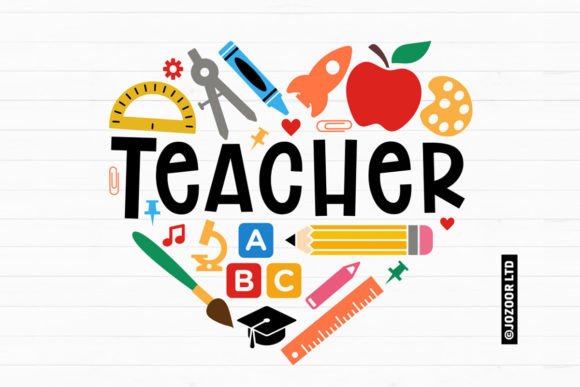
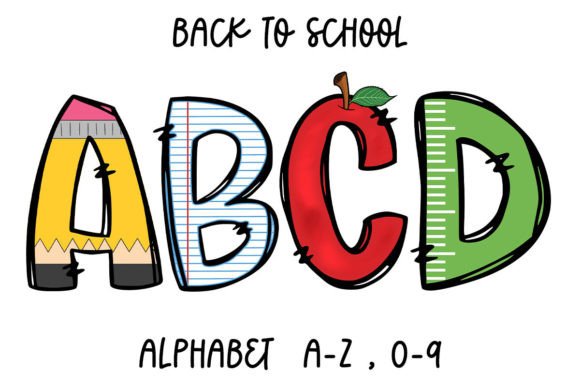
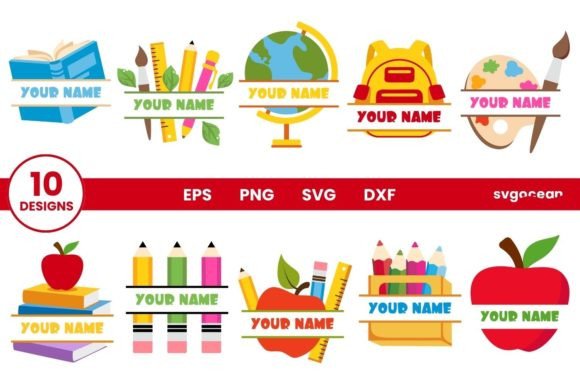
Clipart has long carried a reputation for dated, low-resolution graphics—think clipart libraries from early Windows versions or textbook CD-ROMs. But today’s professional-grade clipart is fundamentally different: purpose-built, context-aware, and engineered for integration. Pencil Clipart, for instance, isn’t just a stylized drawing of a pencil—it’s a versatile symbol of learning, creativity, precision, and academic preparation. Likewise, Back to School Clipart transcends seasonal decoration; it represents transition, structure, intentionality, and community-building across education, parenting, and workplace development contexts.
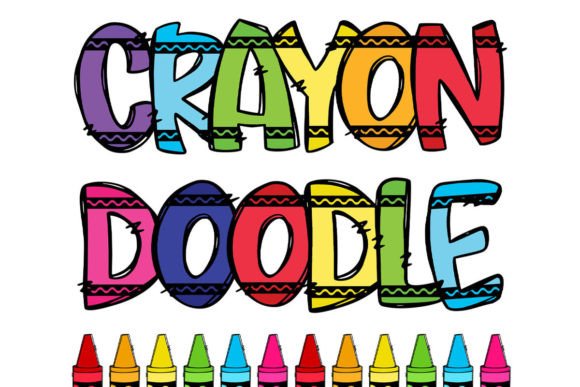
What sets modern clipart apart is its technical readiness. Each image arrives as a PNG file with a transparent background—no white borders, no pixelated edges, no manual masking required. This eliminates time-consuming prep work and ensures seamless layering over gradients, photographs, textures, or typography. At 300 DPI high-resolution, these assets scale cleanly for print-on-demand products (like notebooks or classroom posters), digital ads (Instagram carousels, email headers), and interactive web elements (animated SVG overlays, hover-triggered tooltips).
Meeting the Needs of Hybrid Workflows and Cross-Platform Creation
Today’s creative professionals rarely operate within a single software ecosystem. A social media manager might draft a post in Canva, refine layout in Figma, export assets for a Shopify product page, then adapt visuals for a printed flyer—all in one afternoon. In that context, Pencil Clipart and Back to School Clipart serve as interoperable “design atoms”: lightweight, resolution-agnostic, and platform-agnostic building blocks.
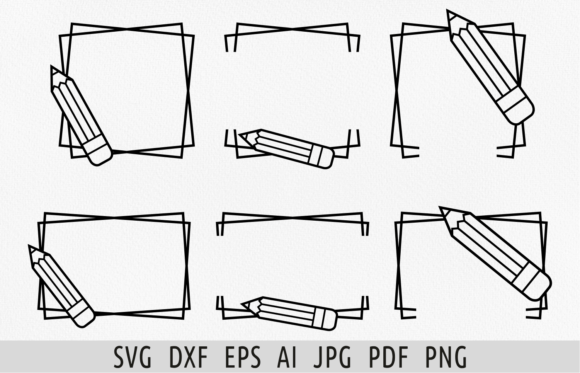
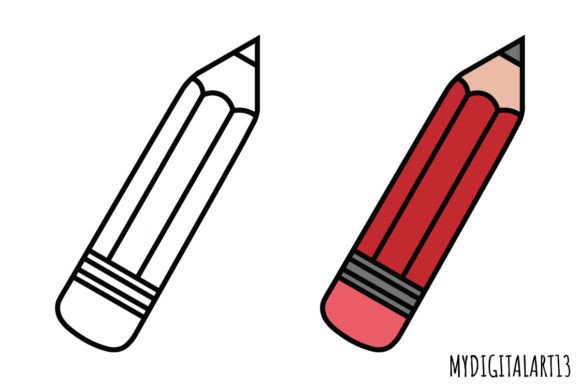
Consider this practical example: A curriculum developer creates a summer enrichment program for middle schoolers. They use the color PNG version of a Back to School Clipart pencil icon to anchor a digital welcome slide deck—layered over a subtle watercolor background. For the accompanying parent handout (PDF), they switch to the black-and-white PNG variant, ensuring crisp grayscale printing without ink bleed. Later, that same black-and-white pencil becomes part of a sticker sheet sold on Teachers Pay Teachers—its clean lines and transparency preserving legibility at 1” size.
This dual-format delivery—one PNG color image, one PNG black and white image—isn’t just convenience; it reflects evolving expectations around accessibility, sustainability, and production efficiency. Black-and-white variants support inclusive design (e.g., screen reader compatibility, high-contrast mode), reduce ink consumption for print-heavy users, and provide flexibility for monochrome branding systems (think minimalist edtech logos or eco-conscious stationery brands).
Why Professionals Are Prioritizing Ready-to-Use, Contextual Graphics
Three interlocking trends explain the rising demand for curated, high-fidelity clipart:
- Accelerated Content Cycles: With social algorithms rewarding consistency and timeliness, creators must produce more visual variations—across platforms, formats, and audiences—without sacrificing quality. Pre-vetted, transparent-background clipart cuts asset creation time by 40–60% compared to sourcing, editing, or commissioning custom illustrations.
- Rise of Niche Micro-Branding: Educators, tutors, and small learning businesses increasingly build distinct visual identities—not through full brand suites, but through consistent, thematic micro-elements. A signature Pencil Clipart motif used across worksheets, Zoom backgrounds, and email signatures reinforces recognition and trust without heavy investment.
- Democratization of Print & Physical Products: Platforms like Printful, Gelato, and Etsy have lowered barriers to physical product creation. Entrepreneurs now launch sticker packs, printable planners, and classroom decor with minimal inventory risk—but only if their digital assets are print-ready. That’s where 300 DPI resolution and transparent backgrounds move from “nice-to-have” to mission-critical.
Beyond Education: The Unexpected Applications of Back to School Clipart
While the term “Back to School Clipart” suggests academic use, its resonance extends far beyond classrooms. Corporate L&D teams use it to signal new hire onboarding timelines. Wellness coaches incorporate it into habit-tracking journals (“Start Your Growth Semester”). Even financial advisors repurpose Pencil Clipart in budget-planning templates—framing fiscal responsibility as a skill to be practiced, not just a transaction to be tracked.
This semantic flexibility matters. Unlike photorealistic stock imagery—which often locks meaning into narrow interpretations—well-designed clipart operates at the intersection of clarity and abstraction. A pencil isn’t just a tool; it’s a metaphor for drafting ideas, revising assumptions, and making deliberate marks on the world. That symbolic weight makes Pencil Clipart uniquely suited for projects where tone, intention, and emotional resonance matter as much as aesthetics.
Designing with Intention: Layering, Typography, and Contextual Harmony
Because each image features a transparent background, integration is intuitive—but thoughtful placement remains essential. When layering Back to School Clipart over text:
- Use the black-and-white variant when overlaying light-colored type on busy backgrounds (e.g., a pencil icon beside headline text on a patterned banner).
- Apply subtle drop shadows or soft glows to color PNGs when placing them over photographs—enhancing readability without compromising transparency.
- Scale consistently: align the height of a Pencil Clipart icon with the x-height of your body font for typographic harmony in digital documents or web UIs.
These aren’t arbitrary tips—they reflect how professionals now treat clipart as part of a unified design system, not isolated decoration.
Future-Proofing Your Creative Toolkit
As AI-generated imagery grows more sophisticated, the value of human-curated, contextually intelligent clipart increases—not decreases. Algorithms excel at novelty and variation, but struggle with semantic precision, stylistic consistency across formats, and intentional dual-use design (e.g., a single illustration optimized for both vibrant digital screens and economical grayscale print). That’s why assets like Pencil Clipart and Back to School Clipart, delivered with technical rigor and creative foresight, represent more than convenience. They embody a shift toward intentional curation: selecting tools that align with how people actually work—not how software assumes they should.
For freelancers managing multiple clients, for startups scaling content without expanding design headcount, and for educators building shareable resources under tight deadlines, these clipart collections do more than save time. They uphold quality standards across outputs, reinforce brand coherence without rigid templates, and empower creators to focus on strategy, storytelling, and impact—rather than pixel-level fixes.
Ultimately, the quiet resurgence of clipart isn’t about nostalgia. It’s about recognizing that in an age of overwhelming choice, the most powerful creative tools are those that remove friction, honor context, and let human insight take center stage.